ServicesPaint-Ready Walls
Paint-Ready Walls and Touch-Ups in Elizabeth
Fresh paint shows every dent, crack and old patch on the wall. We fix the drywall first, sand it flat, prime the repairs and blend the paint over them. Your floors stay covered, and you know what we are doing each step of the way.
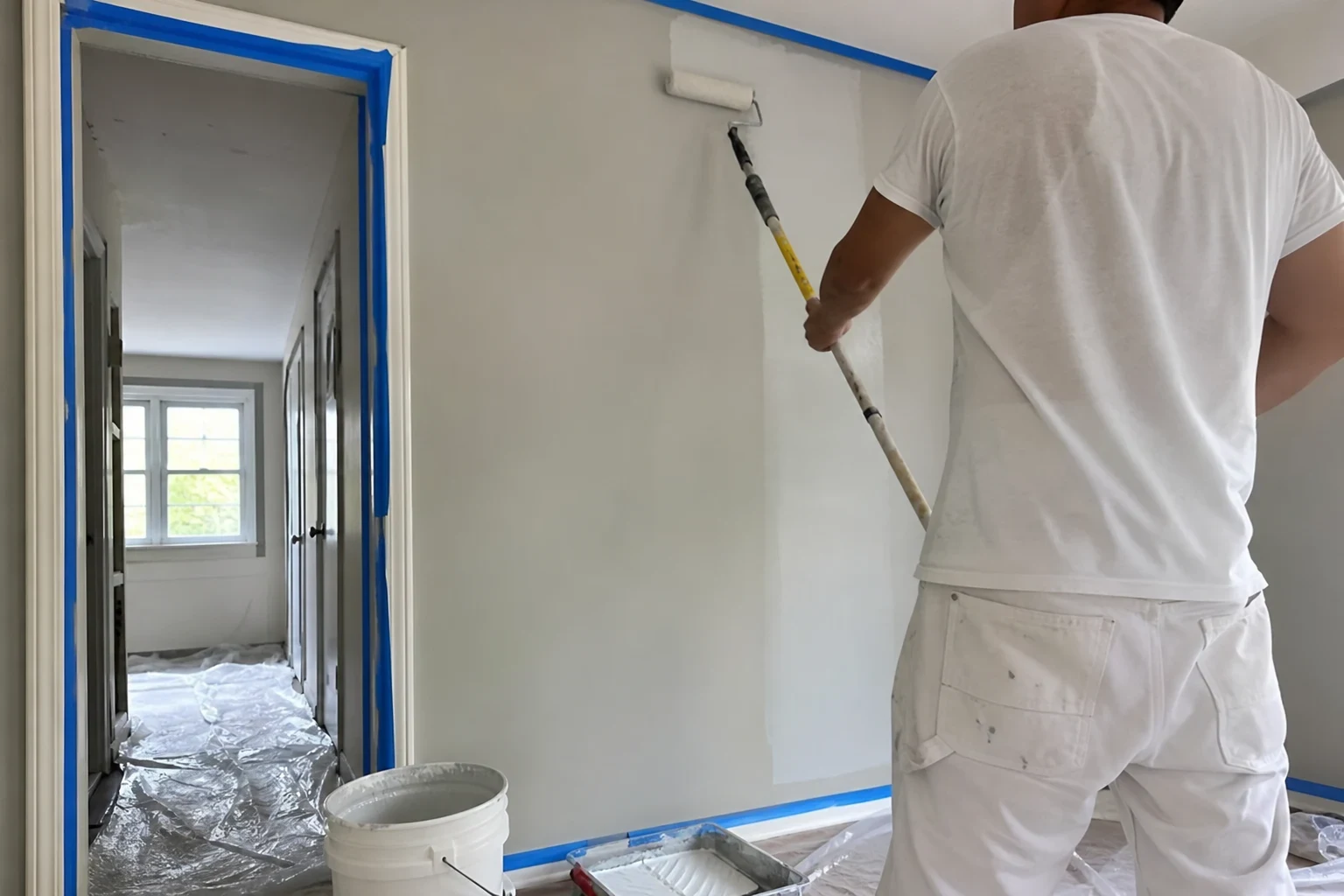
Paint only looks as good as the wall under it
Fresh paint covers less than people expect. Eggshell and satin finishes pick up window light and reveal every ridge, nail pop and sanding mark. A patch that seemed fine under flat white can stick out like a postage stamp once the color is on.
That is where we come in. We fix the drywall, sand it, prime the repaired areas and do paint touch-ups so the wall looks like one even surface. If a full coat is planned afterward, by you or your painter, the wall is ready for it.
Most of these jobs are in rooms people still use every day. We cover the floors, hold the dust in a single room and give you a heads-up before any loud or messy step.
What the work includes
- Repairs before any paint
- We fix holes, cracks, popped screws and loose tape first. Painting over damage just locks it in.
- Sanding to a flat surface
- We sand patches and seams until you can run a hand across them and feel nothing. We use sanding tools that pull dust into a vacuum where we can, which keeps the room much cleaner.
- Primer on every repair
- Joint compound soaks up paint differently than the wall around it. Without primer, the patch dries duller or shinier. That is called flashing, and primer stops it.
- Texture matching
- Plenty of rooms have orange peel, knockdown or swirl on the walls or ceiling. We copy that pattern on the fixed spot, so it blends in instead of looking like a smooth island.
- Paint touch-up over repairs
- We blend paint over the repaired areas using your existing color when you have it. On older or faded walls, we will tell you honestly when a full wall looks better than a spot.
- A clean work area at the end
- Drop cloths come up, dust gets vacuumed and furniture goes back where it was.
Signs the walls need attention before painting
Earlier patches are visible
The outlines of old repairs show, most of all in afternoon light. They were never primed or spread out wide enough.
Patches of dull or shiny paint
Some areas have a different sheen from the rest of the wall. That is flashing over compound that was never primed.
A line of nail pops
Little round bumps running along a stud mean the fasteners have worked loose. They have to be reset before painting.
Cracks that return
Cracks at door corners or ceiling seams reappear after a quick fill. Usually the tape underneath has to be redone.
Paint that peels or bubbles
When paint comes off in sheets, it often points to a poor bond or past moisture. Those areas need scraping and sealing first.
What the job looks like in your home
- 1
Walk the walls and agree on a plan
We look over each wall with you, point out what we see and tell you what we would fix. You know the plan before anything starts.
- 2
Cover and close off the room
We put down drop cloths, move or cover the furniture and tape plastic over doorways before sanding. The floor stays protected the whole time we are working.
- 3
Repair, dry and sand
Compound goes on in thin layers, and each layer dries before the next. Some repairs need a second trip, and we tell you that up front.
- 4
Prime and touch up
We prime the repaired spots, then blend paint over them or leave the wall ready for a full coat.
- 5
Final check and tidy-up
Together we look over the wall in good light, then we clean up and put the room back the way it was.
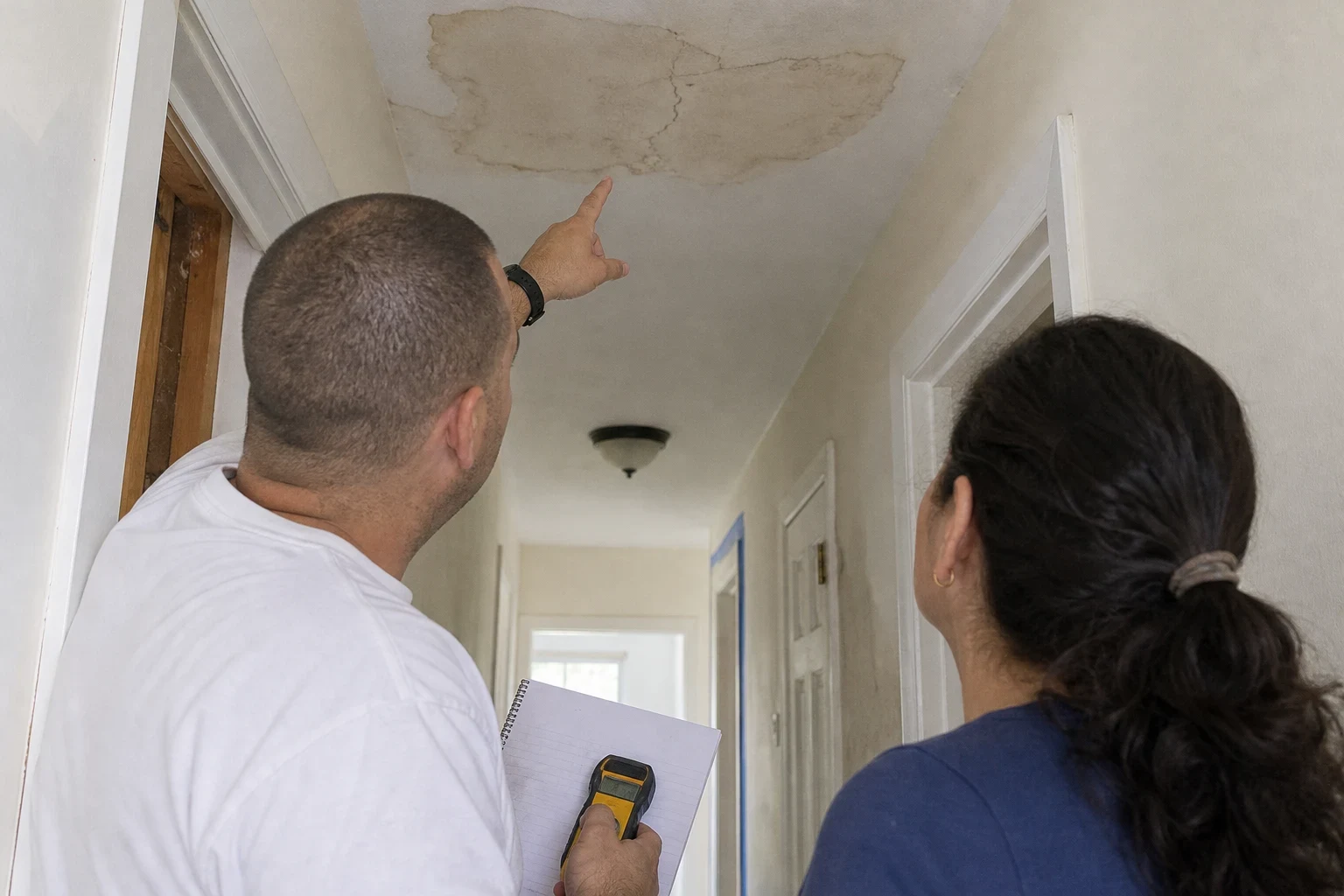
What moves the price
Every wall is different, so we price the job after we see it. Most of the cost is labor and drying time, not material. We explain what drives the number so nothing surprises you later.
- How much repair is needed
- A few nail pops is a short job. Wide cracks, water stains or many old patches take more coats and more visits.
- Condition of the old surface
- Glossy old paint, wallpaper glue residue or a past bad skim coat all add prep time before anything new will stick.
- Height and access
- Stairwells, tall ceilings and crowded rooms take longer to protect and reach.
- Texture and color matching
- Matching a heavy texture or a faded color takes more care than a smooth wall with leftover paint in the basement.
Questions about getting walls ready for paint
Something not covered here? (908) 332-8943
Can you match the paint already on my wall?
If you have the leftover can or the color name, usually yes. Paint fades over the years, so a spot touch-up on an old wall can still show. In that case we will tell you, and painting the whole wall corner to corner hides it.
Do I need to move my furniture?
Move small things and anything fragile. We can shift and cover larger pieces ourselves. We will go over this on the phone so you know what to expect.
How much dust will there be?
Some, but we keep it in the room. We use plastic on doorways and vacuum sanding where we can, and we clean up before we leave each day.
How long before the wall can be painted?
Compound needs to dry fully before primer, and primer before paint. Small repairs can be ready in a day. Deeper repairs often need two or three visits for drying between coats.
Can you work in a rental with tenants living there?
Yes. We work with landlords and property managers in Elizabeth and nearby towns like Linden and Roselle. We keep tenants told about timing and keep the work area tidy.
Get your walls ready the right way
Tell us what the walls look like and what you plan to do with them. We will explain the work and get you a quote by phone.